
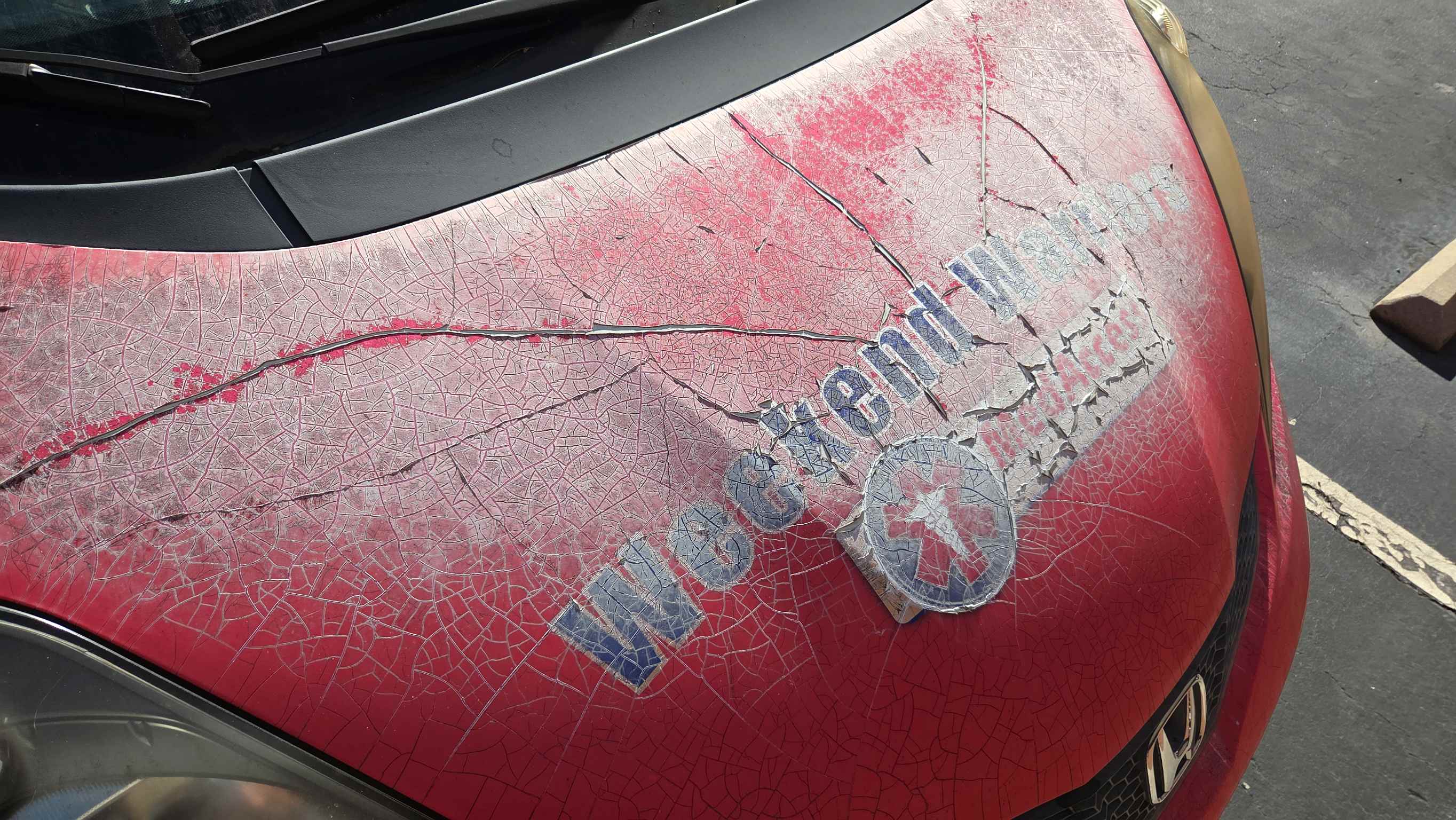
A commercial vehicle wrap is more than just a big sticker; it’s a critical piece of your marketing infrastructure. It’s a traveling brand statement, a salesperson, and your business’s public face, working 24/7 in full view of every potential customer in your service area.
A great wrap works for you. A poor wrap works actively against you.
The dangerous mistake many companies make is focusing solely on the upfront bid rather than the total cost of ownership over the 4–5 years they expect the wrap to last. That’s where the perceived “cheap deal” dissolves, turning into a hidden chain of repairs, lost leads, and irreparable brand damage.
As experts who have seen wraps fail on every conceivable level, we need to talk about the things the low-cost shops never mention.
-
The Undermining Cost of a Bad First Impression
In many service industries—plumbing, HVAC, healthcare, or home services—your wrapped vehicle is the very first piece of evidence a customer has about your company’s quality. It is instantly judged.
A professional, sharp wrap communicates credibility, trustworthiness, and care. It acts as a silent referral.
A poor wrap, however, communicates something else entirely: “We cut corners,” or “We don’t prioritize quality.”
When a potential client sees faded panels or peeling edges on your fleet, they immediately use that as a proxy for the quality of your actual service. They may not say it out loud, but the subconscious message they receive is clear: Your work might look like this, too. A low-cost wrap can undermine your brand’s authority before a customer ever picks up the phone.
-
The Daily Cost of Poor Design (Confusion and Lost Impressions)
Design is communication, not decoration. A high-performing wrap must do three things in less than one second: identify your company, explain what you do, and make it easy for the viewer to act (i.e., call the number).
Poor design fails all three tests, turning your asset into a source of daily confusion and visual clutter.
- Signs the design is costing you: Busy, distracting backgrounds that fight with your logo; text that is illegible at speed; logos stretched out of proportion; or a layout that ignores the vehicle’s natural curves and recesses.
When your wrap isn’t instantly clear—like a well-organized billboard—you lose thousands of valuable impressions, calls, and brand recall opportunities every single day the vehicle is deployed. Here is a Link showing poor designs.
-
The Erosion Cost of Inconsistent Color and Cheap Printing
Your brand relies on color consistency. Period.
Many low-cost shops rely on outdated printers, low-grade inks, or poor color calibration. On the road, this results in:
- Inconsistent colors across your fleet, making your company look decentralized and uncoordinated.
- Faded or grainy logos that cheapen your entire visual identity.
- Visible banding or blotchy gradients, betraying an amateur level of production.
For regional or national fleets, this quiet inconsistency is a significant cost. Instead of conveying a unified, professional operation, your vehicles look stitched together, slowly eroding the perception of reliability.
-
The Structural Cost of Using the Wrong Vinyl (Calendared vs. Cast)
This is the single largest structural failure point. Many shops win bids by using lower-grade calendared vinyl instead of the certified, premium cast vinyl or polyurethane wrap film required for vehicle wraps.
Calendared vinyl is fundamentally designed for flat surfaces, not the complex curves and channels of a modern van. It inevitably:
- Shrinks severely over time, exposing paint lines and creating visible adhesive residue.
- Cracks early under sun and heat stress.
- Fails in deep channels and curves where the material is stretched.
- Leaves behind a nightmare of adhesive when it’s finally removed.
The result? A wrap that should last 4–5 years often fails catastrophically in 12–18 months, forcing you to pay for premature removal and re-wrapping. Using cheap vinyl is like building a long-term marketing asset on sand.
-
The Accelerating Cost of Poor Installation (The Silent Brand Killer)
Installation is where 90% of wraps succeed or fail. The best materials and designs are useless if the installation is sloppy.
Signs of installation failure include: lifting edges, wrinkles, misaligned seams, and uneven trimming.
The real hidden cost is that poor installation doesn’t just look bad—it accelerates the failure. What starts as a tiny, lifted edge quickly turns into a major problem: water and dirt infiltrate the adhesive, causing widespread failure and peeling. Every day that vehicle is on the road, your brand appears more worn out and neglected.
-
The Long-Term Cost of Premature Fading and Weathering
Commercial vehicles endure constant assault from UV exposure, heat, road debris, and harsh weather. Cheap inks and laminates cannot hold up.
- A faded wrap doesn’t just look old; it makes your entire company look old.
- The material fades fast and unevenly, forcing companies into an expensive choice: drive around with a patchwork wrap or re-wrap the vehicle years ahead of schedule, adding thousands to the total cost of ownership.
-
The Contagion Cost of High-Touch Failure Points
Poor installers always struggle with high-touch zones like fuel doors, door handles, recessed channels, and bumpers. These areas endure the most heat, moisture, physical contact, and stress.
When a cheap wrap fails in these crucial areas:
- Edges curl and lift.
- Dirt accumulates rapidly.
- The entire wrap section tears or cracks.
- Most dangerously, the failure begins to spread across adjacent panels.
A single neglected failure point can become the single factor that ruins the entire wrap’s adhesion.
-
The Financial Cost of Nightmare Removal
This is the cost that blindsides CFOs and fleet managers.
When a poor-quality wrap reaches the end of its life, it becomes a nightmare to remove. The cheap film cracks into tiny, brittle shards, and the inferior adhesive sets like concrete on the paint.
What you “saved” on the cheap wrap disappears instantly in removal costs:
- Labor Time Multiplier: Removal takes 2–4 times longer than a professional removal.
- Repair Bills: Paint damage is common, leading to expensive repainting.
- Lease Penalties: Leased vehicles often incur significant penalties for paint damage or adhesive left on the surface.
This surprise removal cost often exceeds the cost of the original cheap wrap itself.
-
The Systemic Cost of Fleet Inconsistency
When you run a fleet, consistency creates a sense of strength, coordination, and reliability.
Poor-quality wraps lead to inconsistent colors, different finishes, and vehicles aging at wildly different rates across your fleet. Your fleet should look unified and professional. A low-quality wrap creates the opposite impression—fragmented and uncoordinated.
-
The Ultimate Cost: Lost Leads and Missed Opportunities
This is the most important cost, and the one that is hardest to measure.
A great wrap builds trust, generates calls, and creates perceived size and legitimacy. It works every minute it’s on the road.
A poor wrap:
- Gets ignored or causes confusion.
- Undermines your credibility.
- Causes vehicle downtime.
- Delivers zero brand impact.
The true cost of a bad wrap is not what you paid for it. It is the revenue you never earned because your brand asset failed to do its job.
THE REAL TRUTH
A high-quality wrap is a long-term investment that minimizes risk and maximizes returns.
A cheap wrap might save you money today, but it will cost you:
- More in repairs.
- More in removal fees.
- More in premature re-wrapping.
- More in vehicle downtime.
- More in lost leads.
- More in lost credibility and brand reputation.
A high-quality wrap isn’t expensive. A cheap wrap is.