
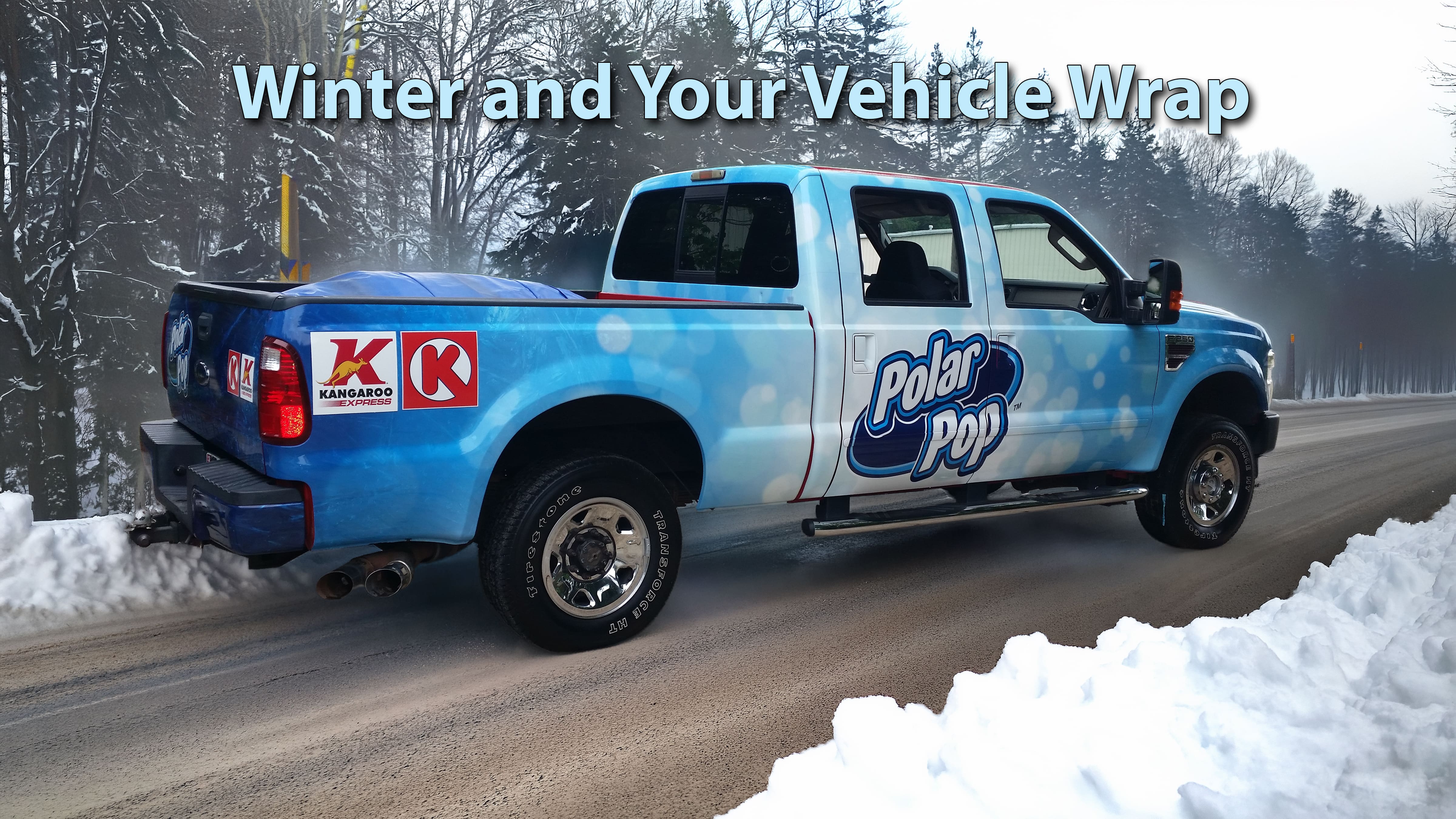
Does road salt damage vehicle wraps? While the vinyl itself is chemically resistant, the salt and brine used on winter roads can attack the edges and seams of your graphics. If allowed to dry and crystallize, these chemicals can cause edge lifting, staining, and premature adhesive failure. The key to protecting your investment is a weekly rinse—specifically targeting the lower panels and wheel wells—to ensure these corrosive elements don’t “bake” into the film.
1. The Chemistry of the Street: Salt vs. Vinyl
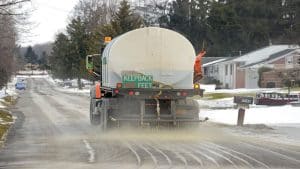
When the temperature drops, cities flood the streets with sodium chloride, calcium chloride, and magnesium chloride. To the naked eye, it’s just “salt,” but to a vehicle wrap, it’s a series of microscopic crystals looking for a place to hide.
How the damage happens:
-
The Brine Factor: Liquid brines are designed to stick to the road, which means they stick to your van even better.
-
Crystallization: As the water evaporates, the salt dries and expands. This process happens repeatedly in the tiny gaps at the edges of your wrap, eventually “prying” the vinyl away from the paint.
-
The Stain: On lighter-colored wraps (whites, silvers, and yellows), prolonged exposure to road chemicals can lead to permanent yellowing or staining that a standard wash can’t remove.
2. Beyond Salt: What the Manufacturers (3M, Orafol, Avery) Warn About
It isn’t just the winter weather you have to worry about. Industry giants like 3M, Avery Dennison, and Orafol have strict guidelines regarding chemical exposure. If you want your warranty to hold up, you need to watch out for these “Wrap Villains”:
-
Petroleum Products: Gasoline and diesel fuel are solvents. If you spill fuel at the pump and leave it, it will soften the vinyl and permanently stain the laminate.
-
Automatic Car Wash Chemicals: Many “touchless” washes use highly alkaline or acidic soaps to compensate for the lack of brushes. These harsh pH levels accelerate the fading of the ink and can weaken the adhesive bond at the seams.
-
Solvent-Based Cleaners: Acetone, bug removers, and heavy-duty degreasers can “dull” the finish of your wrap, turning a high-gloss Orafol finish into a cloudy, matte mess.
3. The Emergency Protocol: What to Do If Chemicals Get On Your Wrap
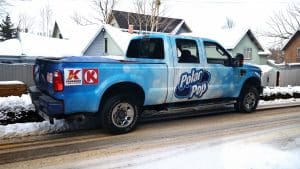
Accidents happen. You spill gas, or you drive through a fresh patch of liquid brine. Here is the Capital Wraps “Best Practices” for immediate care:
-
Rinse Immediately: Water is your best friend. The goal is to dilute the chemical as fast as possible.

-
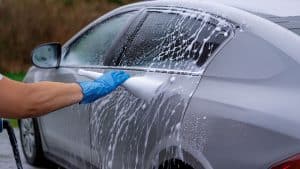
Use pH-Neutral Soap: Stick to soaps designed for automotive finishes. Avoid dish soaps, which are often too abrasive.
-
The “Wash, Don’t Wipe” Rule: If your wrap is covered in salt and road grit, never wipe it dry with a rag. The salt acts like sandpaper and will micro-scratch your laminate. Rinse it thoroughly first.
-
Mind the Pressure: If using a pressure washer, keep the nozzle at least 12–18 inches away from the edges and keep the pressure under 2,000 PSI. High pressure can “inject” water under the film, causing instant failure.
FAQ: Protecting Your Fleet in the Cold
Can I use a scraper on a wrapped window?
No. Never use a hard plastic or metal ice scraper on wrapped glass or vinyl surfaces. Use a soft brush or a de-icing spray to melt the ice instead.
Is hand washing really necessary?
In a perfect world, yes. In the real world of fleet management, it’s difficult. If you must use a car wash, opt for a “Brushless” or “Touchfree” wash, but be aware that the chemicals are harsher. A manual spray-bay wash is always the safer “middle ground.”
Will my wrap crack in the freezing cold?
High-quality Cast Vinyl (like the 3M and Orafol products we use) is designed to handle extreme temperature shifts. However, cheap “Calendared” vinyl is much more likely to become brittle and crack when the thermometer dips below freezing.
Summary: A Little Care Goes a Long Way
Winter road salt and de-icers don’t have to be the end of your vehicle wrap. By implementing a weekly rinse schedule and avoiding harsh petroleum-based cleaners, you can ensure your graphics look as sharp in the spring as they did in the fall. If the chemical is removed quickly, the risk is minimal. When in doubt: Rinse it, don’t rub it.
Here is our blog post about maintain your vehicle wrap.